Mythic raiding began as the pinnacle of competitive content, drawing together players driven by ambition, precision, and the desire to conquer challenges few others could overcome. But as years passed and expansions reshaped the landscape, Mythic guilds evolved beyond competition. They became communities built on shared resilience, long-term collaboration, and a legacy formed through triumphs and setbacks alike. These guilds hold a unique place in the game’s history — part sporting team, part family, part cultural institution.
This article explores how Mythic raiding guilds rose from competitive groups to lasting community legacies that define entire eras of content.
The Early Drive for Prestige
At the beginning of top-end progression, raiding was defined by scarcity: few players had the time, coordination, or discipline to attempt the hardest encounters. Guilds that did quickly became local legends on their servers. World-first races, server-first competitions, and early kill announcements sparked excitement across communities. Prestige fueled recruitment, motivation, and rivalry in equal measure. These guilds forged reputations that lingered long after the tiers ended.
Competition created identity — and identity drew players together.
From Rivalries to Long-Term Structure
As systems evolved, so did the guilds themselves. Recruitment pipelines grew more sophisticated, raid schedules tightened, and leadership positions solidified. Guilds started functioning less like loose groups of friends and more like structured teams with defined roles, expectations, and goals. Stability became a form of prestige in itself — the ability to endure tier after tier without collapsing.
To highlight how guild priorities evolved, here is a simple overview:
| Era | Primary Focus | Guild Identity |
|---|---|---|
| Early Expansions | Server-first prestige | Local rivalries and emergent leadership |
| Middle Expansions | World rankings and consistency | Highly organized competitive teams |
| Modern Era | Sustainability and community | Long-term social identity and legacy |
The Emotional Core of Mythic Guilds
Behind the competition lies a deeper emotional foundation. Mythic guilds succeed when members trust one another, communicate clearly, and endure together through weeks of wipes. Bonds formed during progression carry unique weight — shared victory after hundreds of attempts feels different from casual content. These emotional connections transform teammates into long-term friends and guilds into communities that outlive expansions.
Perseverance shapes people as much as it shapes progress.
The Legacy of Leadership and Culture
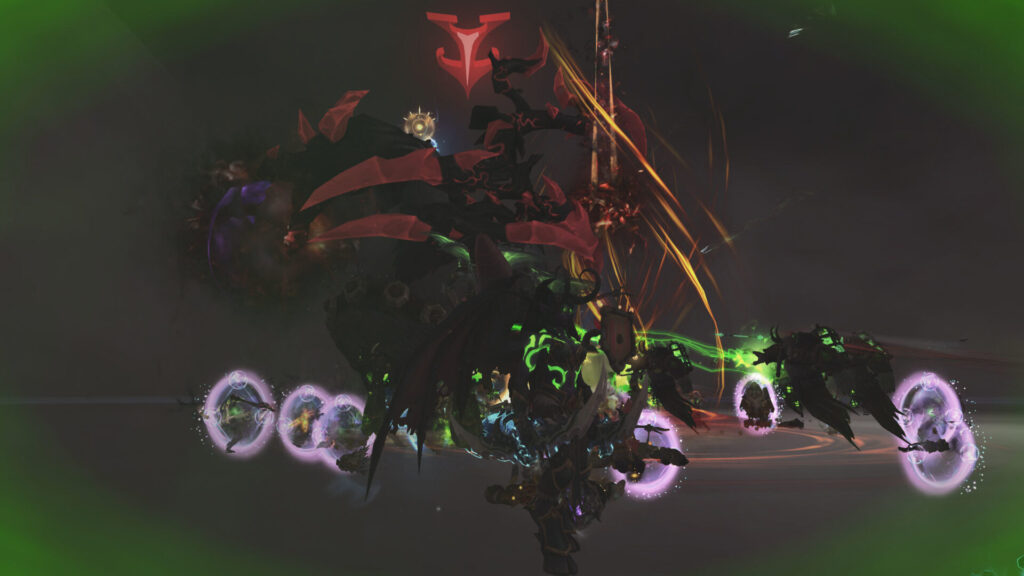
Leadership plays a central role in turning competitive teams into lasting communities. Raid leaders, officers, and long-term members create continuity across tiers. Their decisions shape guild culture — whether strict or relaxed, analytical or emotional, competitive or cooperative. These cultures become recognizable trademarks, influencing how players remember their time within the guild years later.
Leadership defines legacy more than any boss kill.
Why Mythic Guilds Endure
Mythic guilds endure because they capture something rare: a sense of belonging built through shared challenge. Players return expansion after expansion not only for content, but for team identity, tradition, and camaraderie. In a constantly changing world, guilds offer stability. They become living archives of achievements, stories, memories, and the hundreds of hours spent overcoming impossible odds.
Legacy forms not from victory alone, but from shared endurance.
Conclusion
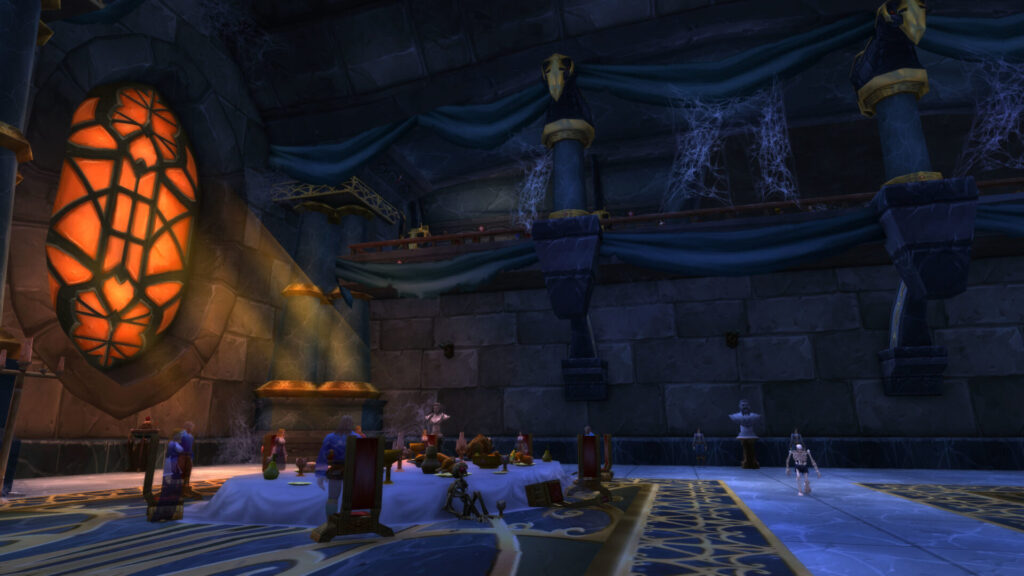
Mythic raiding guilds began as competitive teams seeking prestige, but over time they became communities rooted in loyalty, structure, and shared narrative. Their rise reflects more than progression — it reflects the human element that transforms challenge into legacy. Through collaboration, leadership, and emotional resilience, Mythic guilds continue to define the highest tiers of content and the deepest bonds formed within the game.




Leave a Reply