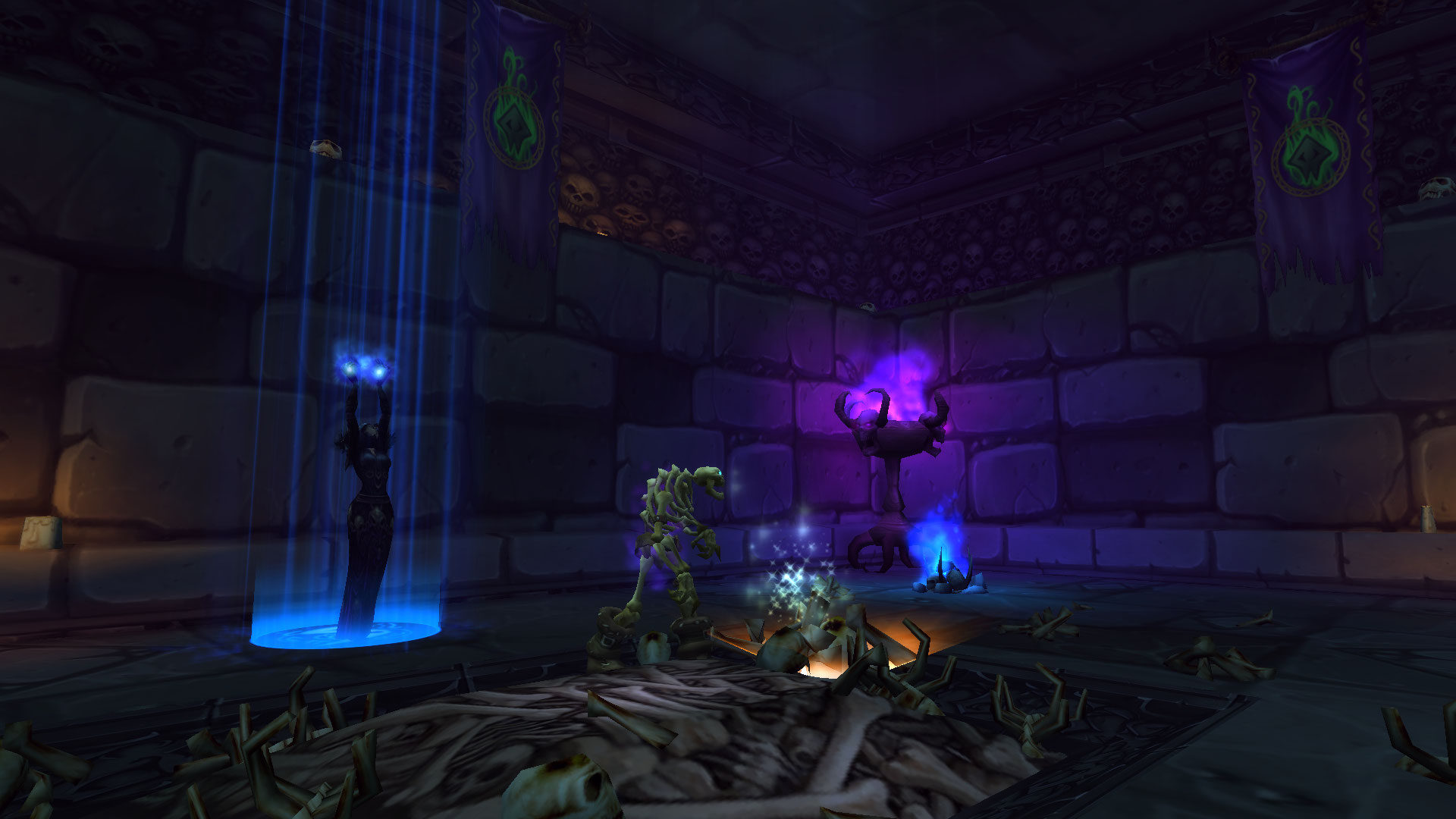
Scholomance, one of the most iconic dungeons in Classic World of Warcraft, presents unique challenges, especially in the Necromancer rooms. Understanding safe pulling methods is crucial for successful runs, as these areas are notorious for overwhelming players with waves of undead foes. This guide delves into effective strategies to navigate these treacherous encounters, ensuring your party can clear the Necromancer rooms with minimal risk and maximum efficiency.
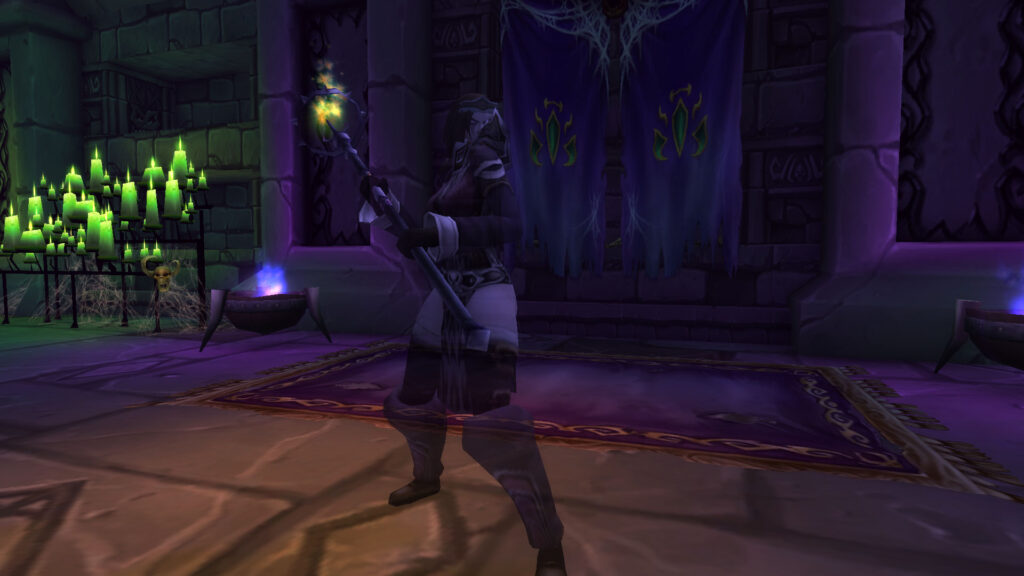
What are the best safe pulling methods for the Necromancer rooms in Scholomance?
The best safe pulling methods involve using line of sight, crowd control, and coordinated pulls to manage enemy aggro effectively.
Understanding the mechanics of enemy behavior in Scholomance is vital for successful pulls. The following table summarizes key metrics and strategies for safe pulling in the Necromancer rooms, highlighting the importance of positioning and timing in your approach.
| Pull Method | Recommended Class | Key Strategy | Risks |
|---|---|---|---|
| Line of Sight Pull | Hunter | Utilize terrain to break line of sight | Potential for adds if not executed properly |
| CC and Focus Fire | Mage | Use Polymorph and focus on one target | CC can break if not timed correctly |
| Split Pulling | Warlock | Use Fear to separate groups | Risk of pulling additional mobs |
How does enemy aggro work in the Necromancer rooms of Scholomance?
Enemy aggro in Scholomance is determined by proximity, damage dealt, and specific abilities that can trigger additional aggro.
In the Necromancer rooms, understanding how aggro works is essential for successful pulls. Enemies will engage players based on their proximity and the damage they inflict. Additionally, certain abilities, such as AoE spells, can inadvertently draw aggro from multiple enemies, leading to overwhelming encounters. Players must be aware of their positioning and the abilities of their party members to avoid unnecessary pulls.
For example, if a Mage casts an AoE spell while a tank is not in position, it can lead to multiple Necromancers and their minions being pulled at once. The aggro radius for these enemies is relatively large, so players should maintain a safe distance when initiating pulls. To mitigate this, players can use specific formulas to calculate the optimal distance for pulling, ensuring that only one or two enemies are engaged at a time.
What steps should I follow to execute a safe pull in the Necromancer rooms?
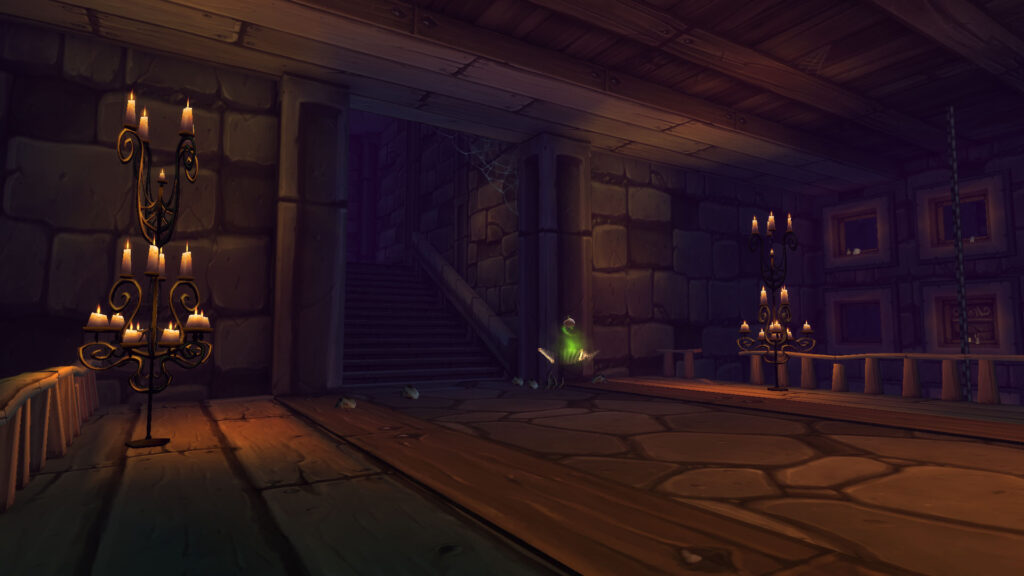
To execute a safe pull, follow a structured approach that includes preparation, execution, and recovery phases.
Executing a safe pull requires careful planning and coordination among party members. First, assess the room layout and identify potential hazards, such as additional mobs or environmental obstacles. Next, ensure that your party is positioned correctly, with the tank ready to engage and DPS prepared to assist. Finally, execute the pull using your chosen method, keeping an eye on enemy movement and aggro.
- Identify the target: Choose a single Necromancer to pull, avoiding any nearby adds.
- Positioning: Ensure the tank is in front, with ranged DPS at a safe distance to avoid aggro.
- Execute the pull: Use a ranged ability to engage the target, ensuring it is the only enemy that follows.
- Control the fight: Utilize crowd control and focus fire to manage the encounter effectively.
What advanced strategies can enhance my pulling efficiency in Scholomance?
Advanced strategies include utilizing environmental features, coordinating cooldowns, and employing specific class abilities to maximize pulling efficiency.
To enhance pulling efficiency, players should leverage the environment to their advantage. For instance, using pillars and corners can help break line of sight, allowing for safer pulls. Additionally, coordinating cooldowns among party members can significantly improve damage output and survivability during pulls. Classes with mobility abilities, such as Rogues and Druids, can reposition quickly to avoid aggro while still contributing to damage.
Furthermore, understanding the specific abilities of each class can lead to more effective pulls. For example, a Warlock can use Fear to separate enemies, while a Hunter can use traps to control the battlefield. By combining these abilities with well-timed cooldowns, players can create a rhythm that allows for efficient and safe pulls, minimizing the risk of wipes and maximizing the speed of dungeon clears.
What common mistakes should I avoid when pulling in the Necromancer rooms?
Common mistakes include over-pulling, poor positioning, and miscommunication among party members, which can lead to disastrous encounters.
Over-pulling is one of the most significant mistakes players make in Scholomance. Engaging multiple enemies at once can quickly overwhelm even the most prepared groups. Additionally, poor positioning can lead to tanks being unable to hold aggro effectively, resulting in DPS being targeted by mobs. Miscommunication is another critical issue; if party members are not on the same page regarding pull timing and targets, it can lead to chaos and wipes.
What future trends can I expect in dungeon pulling strategies in Classic WoW?
Future trends may include enhanced coordination tools, refined class abilities, and community-driven strategies that evolve as players share their experiences.
As the Classic WoW community continues to grow, players are likely to develop new strategies and techniques for dungeon pulling. Enhanced coordination tools, such as voice chat and raid frames, can facilitate better communication and execution during pulls. Additionally, as players experiment with different class combinations and abilities, refined strategies will emerge that capitalize on the strengths of each class.
Furthermore, community-driven strategies will likely evolve, with players sharing their experiences and insights on forums and social media. This collaborative approach can lead to innovative pulling techniques that maximize efficiency and safety in dungeons like Scholomance, ensuring that players can tackle even the most challenging encounters with confidence.
Leave a Reply